Traces of my father
London 2026
What do we see in our mind when we remember a person? A face, a presence shaped by memory, gesture, time. Countless small details that live in us long after a moment has passed.
The idea for this research came from investigating the human way of seeing and then turned toward the machine, asking what remains of a person when vision is translated into data. What traces will be left of us within the darkness of distant data centers slowly moving in space through the dark cold and the empty desolation.
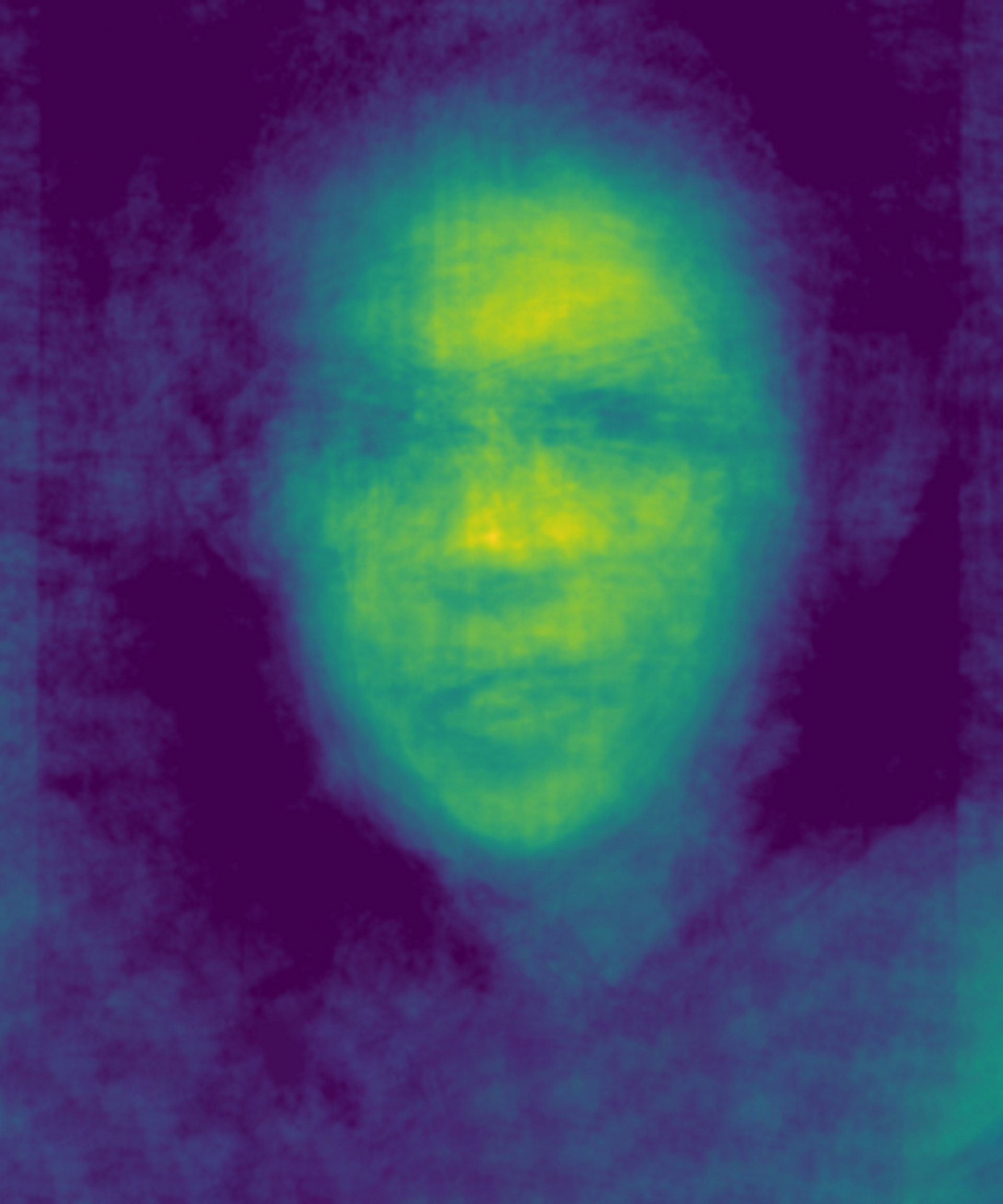
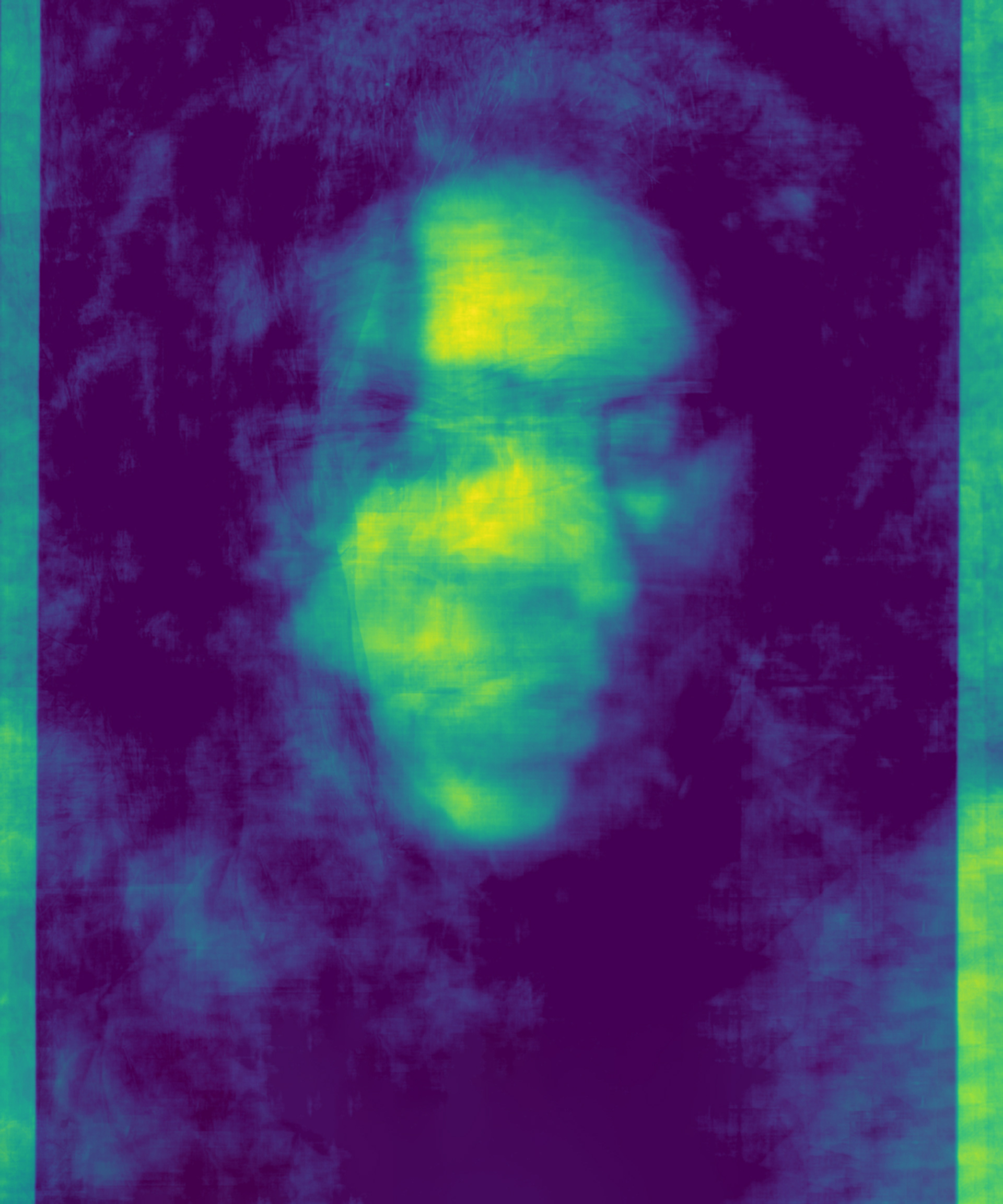
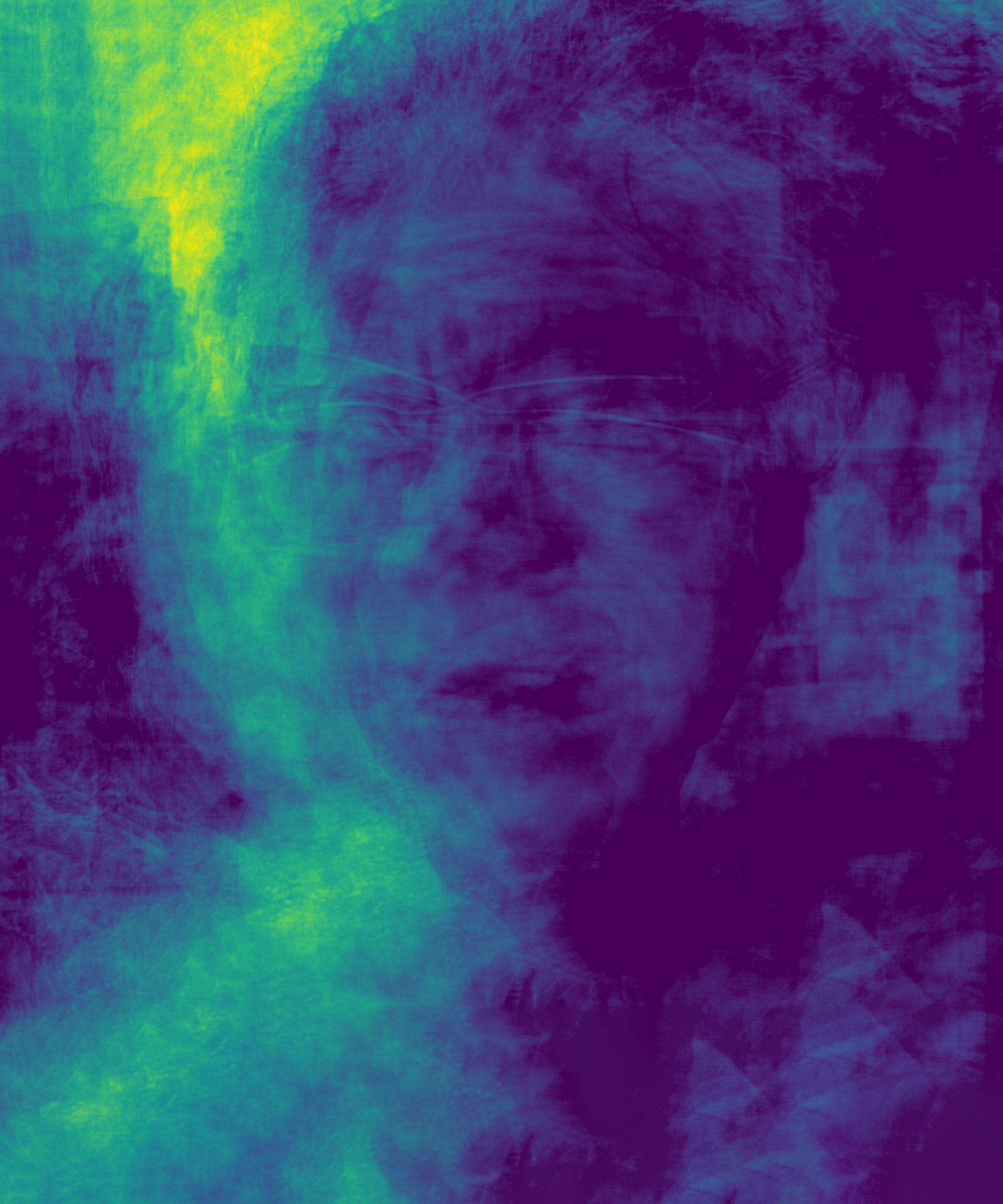
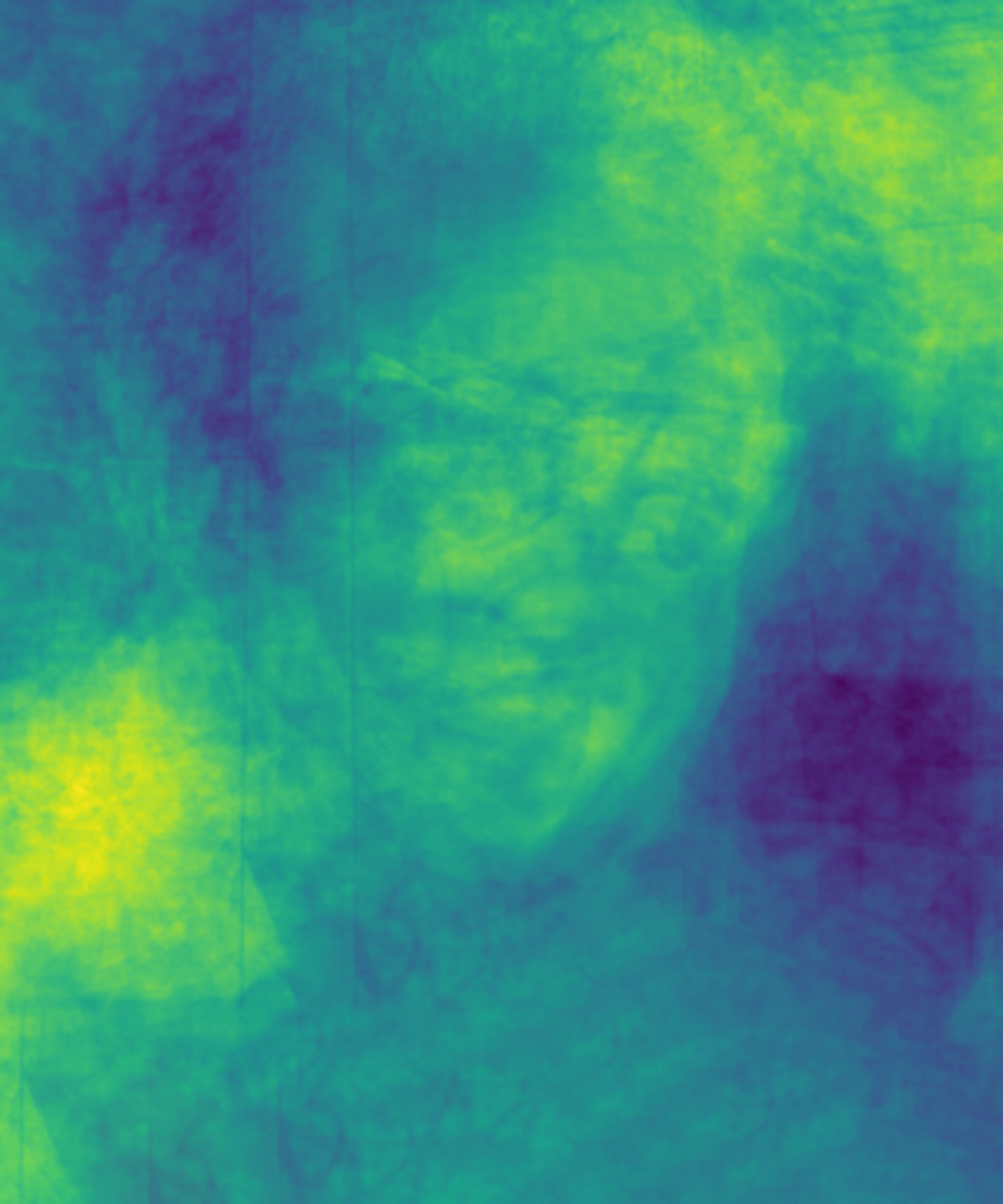
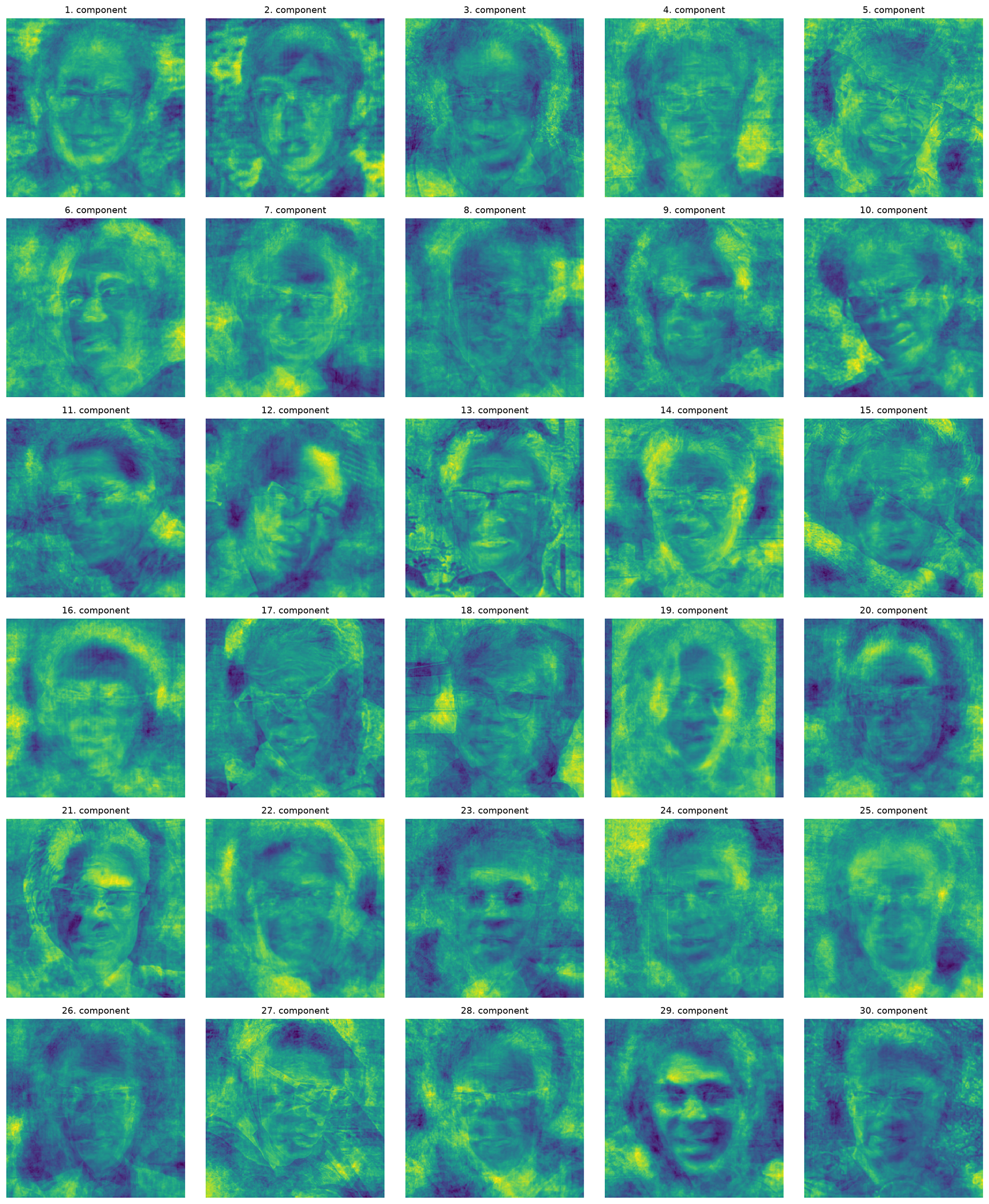
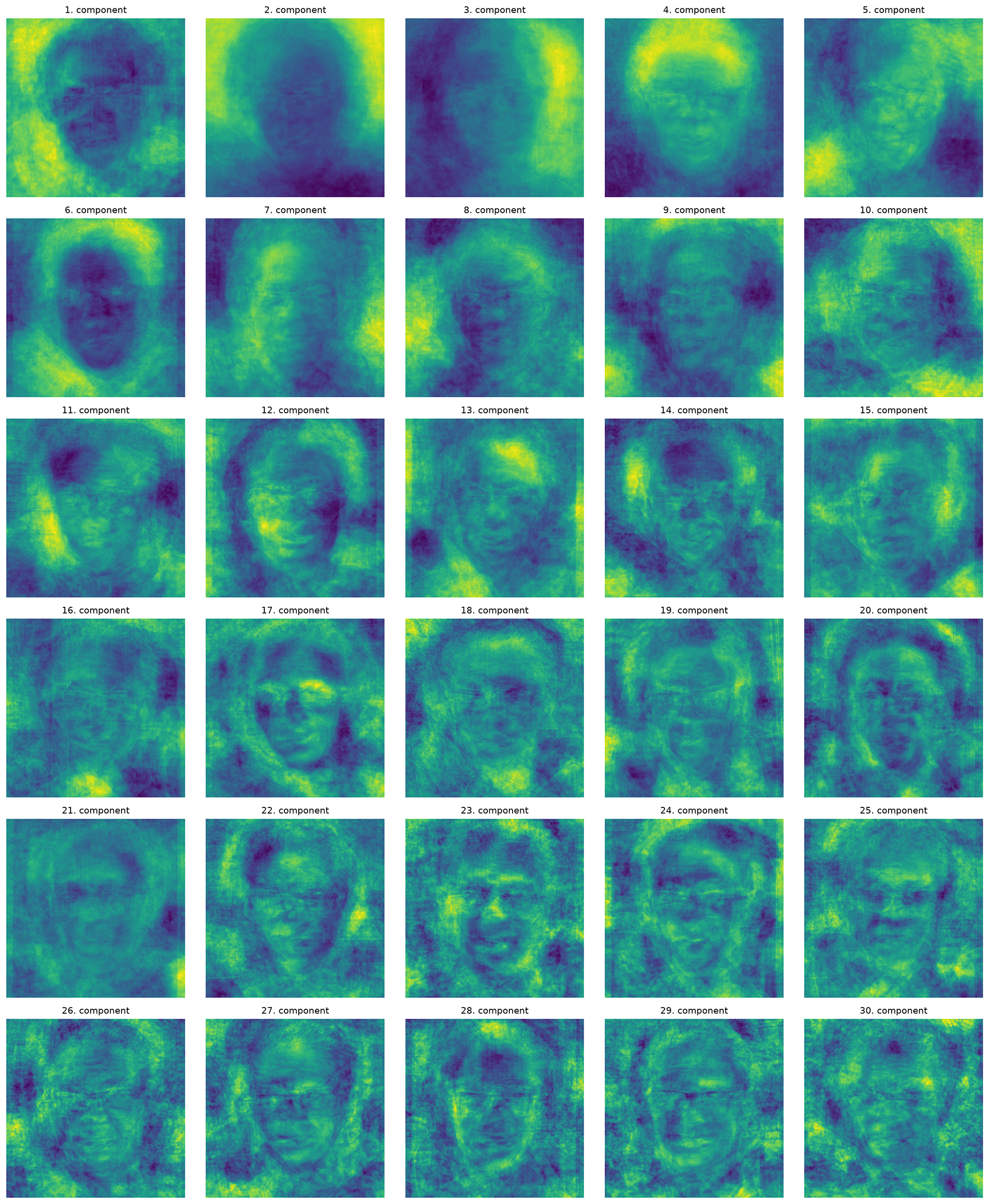
For Traces of my father, I gathered hundreds of photographs of my father from youth to later life and used an artificial intelligence process to study them as a whole, separating each image into underlying visual patterns and recurring parts, then recombining those layers to reveal what stays constant across age, expression, light and details.
Using two computational methods, PCA (Principal Component Analysis) and NMF (Non-negative Matrix Factorization), the algorithm broke down each photograph into fundamental components, like decomposing a piece of music into its individual instruments. PCA identified the dominant features that vary most across all images: the main lines of his face, the bones beneath the skin. NMF found the building blocks the positive, additive parts that construct his appearance, like brushstrokes in a painting. Together, they extracted the invisible architecture of recognition.
Using two computational methods, PCA (Principal Component Analysis) and NMF (Non-negative Matrix Factorization), the algorithm broke down each photograph into fundamental components, like decomposing a piece of music into its individual instruments. PCA identified the dominant features that vary most across all images: the main lines of his face, the bones beneath the skin. NMF found the building blocks the positive, additive parts that construct his appearance, like brushstrokes in a painting. Together, they extracted the invisible architecture of recognition.
Through this technical method I wanted to answer an intimate question: I wanted to understand what makes my father my father, both for a system that measures patterns and for me, who remembers him.
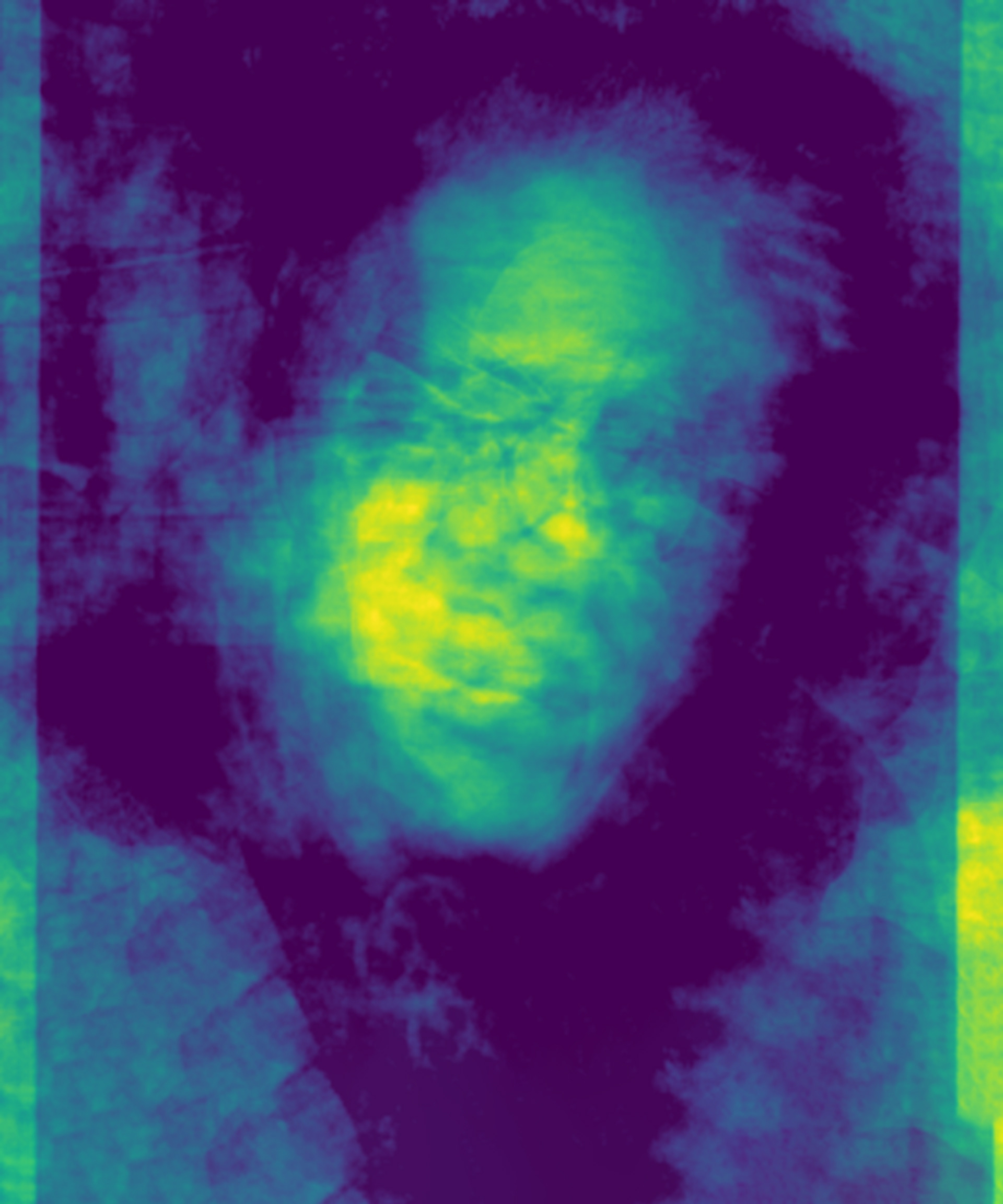
Looking at the generated results, I see multiple ages of him at once, his clumsy glasses, his younger face folded into his older one, and as the traces grow faint, I am left with little more than his silhouette, standing in the doorway, watching me as I fall asleep in my childhood bed.